✔ Global supplier network
✔ Wide range of material grades
✔ Standard and custom-engineered solutions
Pipe elbows are used to change the direction of flow within industrial piping systems while maintaining a reliable and leak-tight connection. Different types of elbows are available to accommodate varying installation requirements, flow characteristics and operating conditions. At PipingMarket.eu, we support industrial projects by sourcing a wide range of elbow configurations.
Find the most suitable elbow configuration
Request your quotation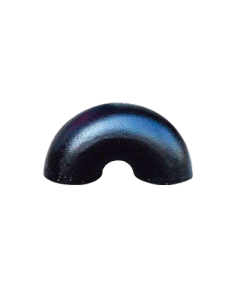
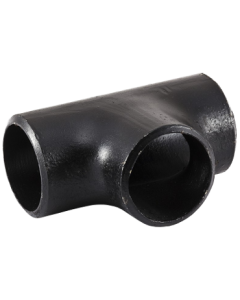
How are different types of elbows classified?
The various types of elbows can be classified according to several characteristics. These include the bend angle, bend radius, manufacturing method, material grade and the requirements of the piping system. Selecting the appropriate elbow depends on factors such as the available installation space, operating pressure, flow velocity and compatibility with the rest of the piping installation. We offer different materials, dimensions and pressure ratings for applications across multiple industries.
Which types of elbows are available?
The most common types of elbows include:
- 45-degree elbows for when a moderate change in flow direction is required;
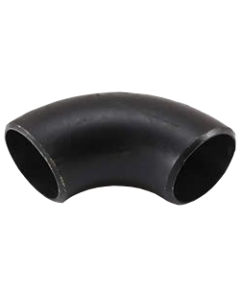
- 90-degree elbows for changing the direction of a pipeline;
- 180-degree elbows for reversing the direction of flow within a piping system;
- long-radius elbows for reducing pressure loss by creating a smoother flow path;
- short-radius elbows for installations where available space is limited.
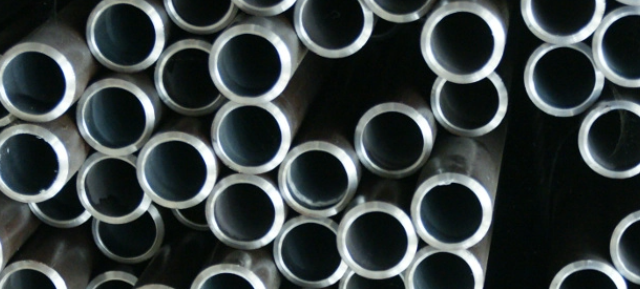
Which materials are commonly used?
The available types of elbows can be manufactured from a variety of materials depending on the service conditions. Seamless elbows are commonly selected for demanding industrial applications because they are manufactured without a welded seam. Common options include carbon steel, stainless steel, alloy steel and duplex stainless steel. Material selection is influenced by factors such as corrosion resistance, operating temperature, pressure requirements and the characteristics of the medium. Choosing the correct material helps maximise the performance of the system.
How do you select the right elbow?
Choosing between different types of elbows requires careful consideration of the overall piping design. Important specifications include the (seamless) pipe diameter, wall thickness, pressure class, bend radius, material grade and the applicable industry standards. These factors ensure that the elbow is fully compatible with the piping system while delivering the required mechanical strength and reliability. The final selection should match the intended application and operating conditions.

Request a quotation for the right elbow type
Are you looking for the most suitable elbows or other piping products for your project? Submit your RFQ with the required dimensions, material grade, pressure rating and technical specifications. Our sourcing specialists will review your requirements and connect you with qualified manufacturers capable of supplying the appropriate elbow configuration for your application.